


Orders
.png&w=48&q=75 "login")
Profile


Wallet

Top 6 Tips to Tighten Loose Skin After Pregnancy (Natural Methods That Work) 2026


BDS (Gold Medalist), Certified Lactation Consultant – BPNI Delhi, Maternal & Infant Nutrition Expert · 15 years experience
 17 Likes|
 13 min
AI-Generated Summary
Quick overview in 30 seconds.webp&w=32&q=75)
Summary
- During pregnancy, your skin stretches significantly to accommodate your growing baby, and after delivery, it often struggles to regain its original elasticity, leading to saggy skin.
- Eating a balanced diet rich in omega-3 fatty acids, vitamins A, B, C, and lean proteins helps boost collagen and elastin, improving skin firmness and elasticity naturally.
- Combining cardio and strength training exercises with regular exfoliation, skin-firming creams, and massages using castor, olive, or grape seed oils can effectively tighten loose postpartum skin.
- Which skin-firming essentials can support your postpartum journey? Explore our Stretch Marks Kit (Stretch Mark Oil + Stretch Marks Cream - 100ml each).
TL;DR
Loose or saggy skin after pregnancy is normal and usually improves over time. Skin stretches during pregnancy as the belly grows, and after delivery it needs months to gradually retract (Cleveland Clinic) (AAD - American Academy of Dermatology)。 The most effective, evidence-based ways to tighten postpartum skin are a protein- and nutrient-rich diet, strength training plus cardio, staying hydrated, regular moisturising and massage, and gradual healthy weight management. Most tightening is natural and patient-driven; creams and oils help with hydration and appearance but cannot dramatically "shrink" skin. For significant loose skin that does not improve, professional treatments (radiofrequency, laser, microneedling or surgery) exist. Be patient and gentle with yourself, results take months.
Quick Answer
Loose skin after pregnancy tightens gradually over months. The best natural methods are a protein- and vitamin-rich diet, strength training plus cardio, good hydration, regular moisturising and massage, and steady healthy weight management. Creams and oils help hydration and appearance but cannot dramatically shrink skin. For stubborn loose skin, dermatological treatments can help.
Author: Khushboo Jain, Senior Postpartum Wellness Editor, Mylo Parenting Desk Medically reviewed by: Mylo Editorial Board, aligned with American Academy of Dermatology (AAD) and ICMR nutrition guidance Last updated: 11 June 2026
Medical Disclaimer: This article is for informational purposes only and is not a substitute for professional medical or dermatological advice. If you are recovering from a C-section or have any skin condition, consult your doctor before starting new exercises, treatments or products on your abdomen.
Key Takeaways
- Loose skin after pregnancy is normal and improves gradually over months (AAD)
- Diet, exercise, hydration and patience are the foundation of natural tightening
- Protein, vitamin C and healthy fats support collagen and skin elasticity (ICMR)
- Strength training tones the muscle underneath, improving overall firmness
- Moisturising, oil massage and exfoliation improve skin texture and hydration
- Creams and oils help appearance but cannot dramatically shrink loose skin
- Significant loose skin may need dermatological treatment (RF, laser, surgery)
- Be patient and kind to yourself, recovery is gradual and individual
Why Does Skin Become Loose After Pregnancy?
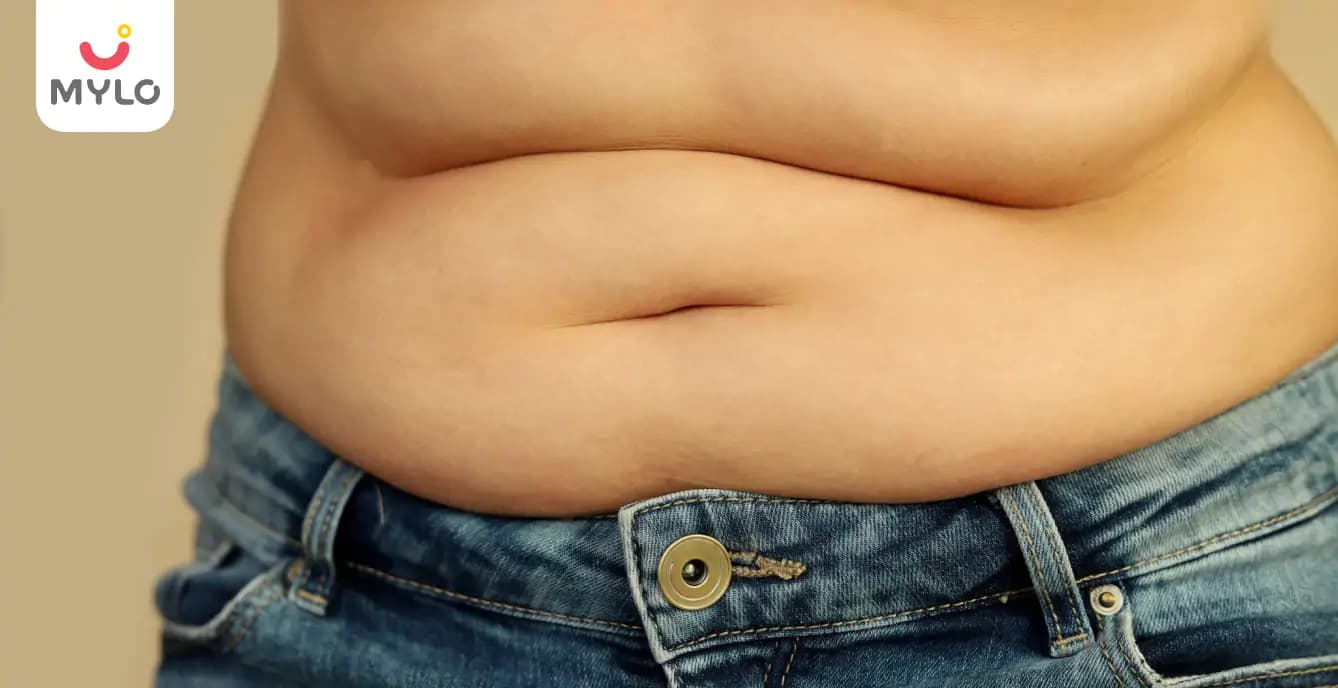
During pregnancy, your skin stretches significantly to accommodate the growing baby. After delivery, it needs time to retract (Cleveland Clinic):
- Collagen and elastin (the proteins that keep skin firm) get stretched
- Rapid stretching can break some elastin fibres (causing stretch marks)
- After birth, the skin gradually tightens but may not fully return to its original state
- Age, genetics, weight gain and number of pregnancies all affect how much it bounces back
Loose skin is completely normal and not a sign that you did anything wrong. How much it tightens depends on factors like genetics and pre-pregnancy skin elasticity, which are partly out of your control.
How Long Does It Take for Skin to Tighten After Pregnancy?
There is no fixed timeline, but general patterns are (AAD):
| Time After Delivery | What to Expect |
|---|---|
| First 6 to 8 weeks | The uterus shrinks; belly looks smaller but skin is still loose |
| 3 to 6 months | Gradual tightening with diet, exercise and hydration |
| 6 to 12 months | Most natural improvement happens in this window |
| Beyond 12 months | Remaining loose skin may need professional treatment |
Patience matters. Most skin tightening happens slowly over 6 to 12 months. Crash diets or extreme measures can actually slow recovery (ICMR).
What Are the Top 6 Tips to Tighten Loose Skin After Pregnancy?
1. Eat a Protein- and Nutrient-Rich Diet
Nutrition is the foundation of skin elasticity (ICMR):
| Nutrient | Why It Helps | Indian Food Sources |
|---|---|---|
| Protein | Builds collagen and repairs skin | Dal, paneer, eggs, chicken, fish, sprouts |
| Vitamin C | Essential for collagen formation | Amla, oranges, lemon, guava, capsicum |
| Omega-3 fats | Improves skin elasticity | Fish, flaxseed (alsi), walnuts |
| Vitamin A | Skin cell renewal | Carrots, spinach, papaya |
| Vitamin E | Antioxidant, skin repair | Almonds, sunflower seeds |
| Zinc | Wound healing and skin health | Whole grains, nuts, legumes |
2. Exercise (Strength Training + Cardio)
A combination works best (AAD):
- Strength training (planks, gentle core work, yoga) tones the muscle under the skin, which improves overall firmness
- Cardio (walking, swimming) improves circulation and supports healthy weight
- Start gently, especially after a C-section, and get your doctor's clearance first (usually after the 6-week postpartum check)
3. Stay Well Hydrated
- Drink 2.5 to 3 litres of water a day (more if breastfeeding)
- Hydrated skin looks plumper and more elastic
- Coconut water and buttermilk (chaas) also help
4. Moisturise and Massage With Oils
Regular massage improves hydration and skin texture (Cleveland Clinic):
- Oils: Coconut, olive, almond or grapeseed oil
- Massage in gentle circular motions daily
- Improves blood flow and hydration, keeping skin supple
- Note: oils help texture and appearance, not dramatic tightening
5. Exfoliate Regularly
- Gentle exfoliation removes dead skin cells and supports renewal
- Use a soft loofah or a homemade scrub (e.g. coffee or sugar with oil)
- Improves circulation and skin texture
- Do not over-exfoliate (1 to 2 times a week is enough)
6. Maintain a Positive Body Image and Patience
Mental wellness matters as much as physical care (ACOG Postpartum):
- Your body did something incredible, be kind to it
- Avoid comparing yourself to social media images
- Meditation, rest and self-care support recovery
- If you feel persistently low or anxious, talk to your doctor (postpartum mental health is important)
Do Skin-Firming Creams Really Work?
They help a little, but expect modest results. Firming creams with ingredients like peptides, retinoids (avoid while breastfeeding unless doctor-approved), hyaluronic acid and vitamin C can improve hydration, texture and appearance (AAD)。
However:
- No cream can dramatically shrink significantly loose skin
- Their main benefit is better-looking, hydrated skin
- While breastfeeding, check ingredients with your doctor (avoid strong retinoids)
Set realistic expectations: creams and oils are a supportive part of skin care, not a cure for loose skin on their own.
What About Stretch Marks?
Stretch marks are different from loose skin. They form when skin stretches faster than it can adapt, breaking elastin fibres (AAD):
- Fresh stretch marks (red/purple) fade over time to silvery lines
- Moisturising keeps skin supple and may reduce itchiness
- No cream fully removes stretch marks, but they naturally fade
- Dermatological options (laser, microneedling) can reduce their appearance
- They are extremely common and harmless, a normal part of many pregnancies
When Should You Consider Professional Treatment?
If loose skin is significant and does not improve after about a year of natural methods, dermatological options exist (AAD):
| Treatment | What It Does |
|---|---|
| Radiofrequency (RF) therapy | Heats deeper skin to stimulate collagen |
| Laser therapy | Boosts collagen and improves texture |
| Microneedling | Tiny needles trigger skin's repair response |
| Ultrasound skin tightening | Stimulates collagen in deeper layers |
| Abdominoplasty (tummy tuck) | Surgical removal of excess skin (for large amounts) |
These should be discussed with a qualified dermatologist or plastic surgeon, ideally after you have finished having children and completed breastfeeding.
Indian Context: What Indian Mothers Should Know
- Traditional massage (maalish): Postpartum oil massage is a trusted Indian practice and genuinely helps skin hydration and relaxation; use coconut, almond or sesame oil
- Don't rush weight loss: Crash diets to "get back in shape" can worsen loose skin and reduce milk supply; lose weight gradually (ICMR)
- Nutrition first: Include dal, paneer, eggs, amla, seasonal fruits and nuts for collagen support
- Hydration in heat: India's climate increases fluid needs; drink water, chaas and coconut water
- Postpartum belly binding: Traditional belly wrapping may give support and comfort, but it does not permanently tighten skin; use gently and not too tight
- Be patient with cultural pressure: Ignore comments about "getting your figure back" quickly; healthy recovery takes months
- Cost of treatments: Dermatological skin-tightening sessions in India typically range from INR 5,000 to INR 25,000 per session; surgery costs more
Myths vs Facts About Tightening Skin After Pregnancy
| Myth | Fact | Source |
|---|---|---|
| "Creams can completely remove loose skin" | False. They improve hydration and appearance only | AAD |
| "Crash dieting tightens skin faster" | False. Rapid weight loss can worsen loose skin | ICMR |
| "Loose skin means you are unhealthy" | False. It is a normal result of pregnancy | Cleveland Clinic |
| "Stretch marks can be fully erased" | False. They fade but do not vanish completely | AAD |
| "Only surgery can help loose skin" | False. Diet, exercise and time help most cases | AAD |
| "Tight belly binding permanently tightens skin" | False. It gives temporary support, not permanent change | Cleveland Clinic |
FAQs: Tightening Skin After Pregnancy
How can I tighten loose skin after pregnancy naturally?
The best natural methods are a protein- and vitamin-rich diet, strength training plus cardio, staying hydrated, regular moisturising and oil massage, gentle exfoliation, and gradual healthy weight management (AAD) (ICMR). Most tightening happens gradually over 6 to 12 months, so patience is key.
Delivery ke baad loose skin kaise tight karein? (Hinglish)
Delivery ke baad loose skin ko naturally tight karne ke liye: protein aur vitamin C wala khana (dal, paneer, anda, amla) khayein, strength training aur walking karein, khoob paani piyein, roz tel se maalish karein, aur dhीरे-dhीरे weight kam karein. Cream aur tel hydration mein madad karte hain lekin skin ko dramatically shrink nahi karte. Sabra rakhें, 6 se 12 mahine lagte hain.
How long does loose skin take to tighten after delivery?
Most natural tightening happens over 6 to 12 months (AAD). The first few weeks reduce belly size as the uterus shrinks, then diet, exercise and hydration gradually firm the skin. Remaining loose skin after a year may need professional treatment.
Do firming creams and oils actually tighten skin?
They help hydration, texture and appearance, but cannot dramatically shrink loose skin (AAD). Oils like coconut and almond, and creams with peptides or vitamin C, are supportive but not a complete solution. While breastfeeding, check ingredients (especially strong retinoids) with your doctor.
Can exercise tighten loose belly skin after pregnancy?
Yes, indirectly. Exercise (especially strength training and gentle core work) tones the muscle under the skin, which improves overall firmness and appearance (AAD). It does not "shrink" the skin itself, but combined with weight management and nutrition, it makes a real difference. Start only after your doctor clears you.
C-section ke baad pet tight karne ke liye kya karein? (Hinglish)
C-section ke baad pehle doctor se clearance lें (aksar 6 hafte baad). Phir halki walking shuru karein, protein aur vitamin C wala khana khayein, paani piyein, aur incision theek hone ke baad halki maalish karein. Tez exercise ya core workout doctor ki salah ke baad hi karein. Sabra rakhें, recovery dhीरे hoti hai.
Will loose skin go away on its own?
Partly, yes. Mild loose skin often improves significantly on its own over 6 to 12 months as the skin retracts (Cleveland Clinic). Diet, exercise and hydration speed this up. Significant loose skin (especially after multiple pregnancies) may not fully resolve naturally and could need treatment.
Is it safe to do skin-tightening treatments while breastfeeding?
Check with your doctor first. Some treatments and strong topical ingredients (like retinoids) are best avoided while breastfeeding (AAD). Many mothers wait until they have finished breastfeeding before considering laser, RF or surgical options. Discuss timing with a dermatologist.
Does drinking water really help tighten skin?
Yes, it helps. Well-hydrated skin looks plumper and more elastic (Cleveland Clinic). Aim for 2.5 to 3 litres of water daily (more while breastfeeding). Hydration supports overall skin health, though it works best alongside good nutrition and exercise.
Can I remove stretch marks completely?
No, but they fade. Stretch marks lighten from red/purple to silvery lines over time and become much less noticeable (AAD). Moisturising helps skin comfort, and treatments like laser or microneedling can reduce their appearance, but no method erases them completely.
How soon after delivery can I start exercising to tighten skin?
Usually after your 6-week postpartum check for a normal delivery, and longer after a C-section, only once your doctor clears you (ACOG). Start with gentle walking and pelvic floor exercises, then gradually add strength training as you heal.
References
- American Academy of Dermatology (AAD). "Stretch Marks: Why They Appear and How to Get Rid of Them." https://www.aad.org/public/cosmetic/scars-stretch-marks/stretch-marks-why-appear
- Cleveland Clinic. "Skin Care." https://my.clevelandclinic.org/health/articles/skin-care
- American College of Obstetricians and Gynecologists (ACOG). "Exercise After Pregnancy." https://www.acog.org/womens-health/faqs/exercise-after-pregnancy
- ACOG. "Postpartum Depression." https://www.acog.org/womens-health/faqs/postpartum-depression
- ICMR / NIN. "Dietary Guidelines for Indians." https://www.nin.res.in/dietaryguidelines/pdfjs/locale/DGI07052024P.pdf
- ICMR (Indian Council of Medical Research). https://www.icmr.gov.in/
Article Posted Under
Related Articles
എന്റെ കുഞ്ഞിന് വേണ്ടത്ര പാൽ ലഭിക്കുന്നുണ്ടോ എന്ന് എങ്ങനെ പറയാം?|(How to Tell If Your Baby Is Getting Enough Milk In Malayalam)
 9 min
9 min আমার শিশু পর্যাপ্ত দুধ পাচ্ছে কিনা কীভাবে বুঝব?|(How to Tell If Your Baby Is Getting Enough Milk In Bangla)
 14 min
 నా శిశువుకు తగినంత పాలు అందుతున్నాయో ఎలా చెప్పాలి?|(How to Tell If Your Baby Is Getting Enough Milk In Telugu)
 13 min
 ನನ್ನ ಶಿಶುವಿಗೆ ಸಾಕಷ್ಟು ಹಾಲು ಸಿಗುತ್ತಿದೆಯೇ ಎಂದು ಹೇಗೆ ಹೇಳುವುದು?|(How to Tell If Your Baby Is Getting Enough Milk In Kannada)
 10 min
Related Topics
.webp&w=32&q=75)
Medical Disclaimer
This content is for informational purposes only and should not replace professional medical advice. Consult with a physician or other health care professional if you have any concerns or questions about your health. If you rely on the information provided here, you do so solely at your own risk.


AWARDS AND RECOGNITION

Mylo wins Forbes D2C Disruptor award

Mylo wins The Economic Times Promising Brands 2022
AS SEEN IN












- Mylo Care: Effective and science-backed personal care and wellness solutions for a joyful you.
- Mylo Baby: Science-backed, gentle and effective personal care & hygiene range for your little one.
- Mylo Community: Trusted and empathetic community of 10mn+ parents and experts.


Product Categories
Baby Carrier | Baby Soap | Baby Wipes | Stretch Marks Cream | Baby Cream | Baby Shampoo | Baby Massage Oil | Baby Hair Oil | Stretch Marks Oil | Baby Body Wash | Baby Powder | Baby Lotion | Diaper Rash Cream | Newborn Diapers | Teether | Baby Kajal | Baby Diapers Pants | Cloth Diapers | Laundry Detergent | Lactation Granules |